  • Quality & Development eNews: Over 100 Member & Country Profiles Provide Insights to Global Profession
    English
    Image
    Caption
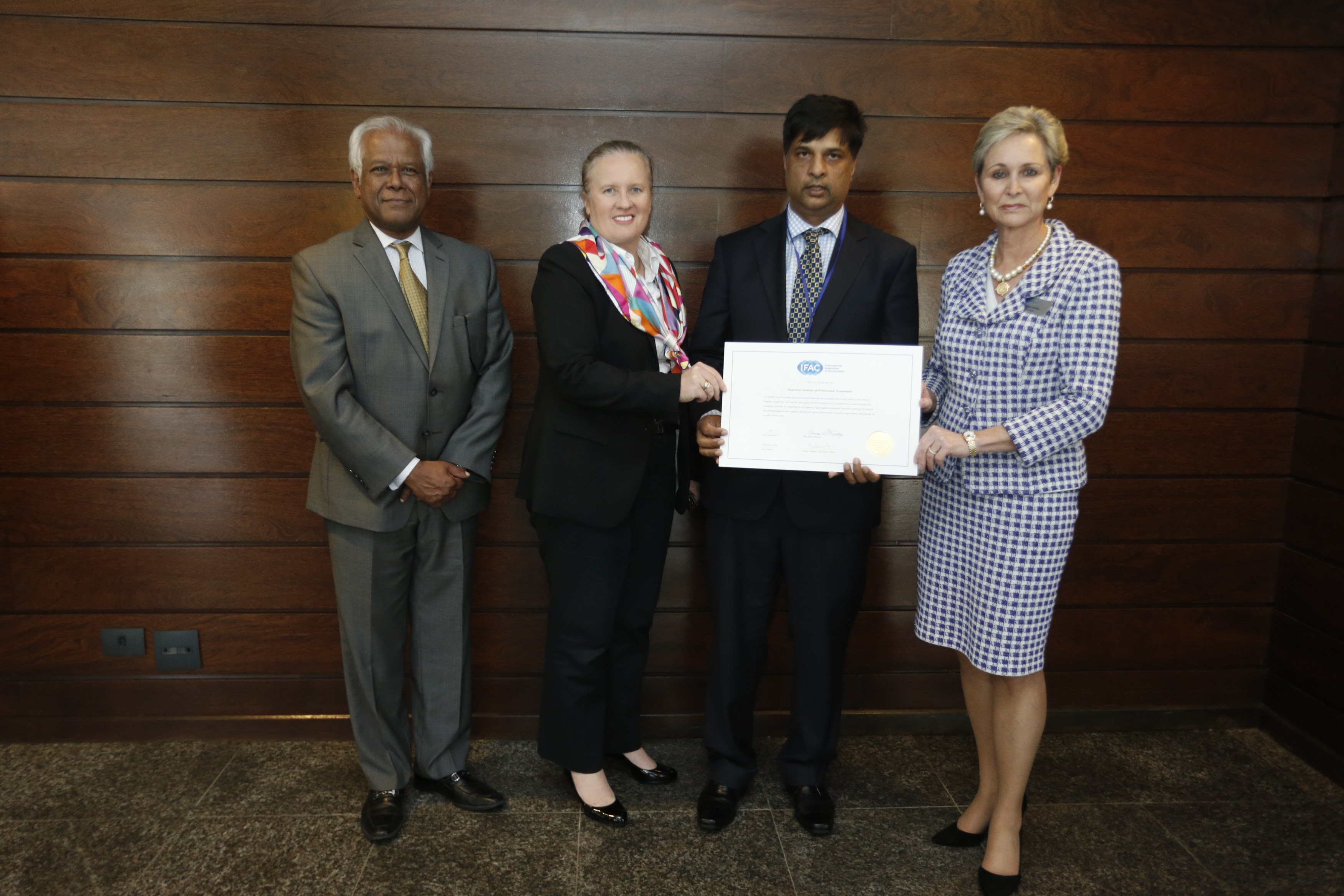
    Mauritius Institute of Professional Accountants
    Image
    Caption
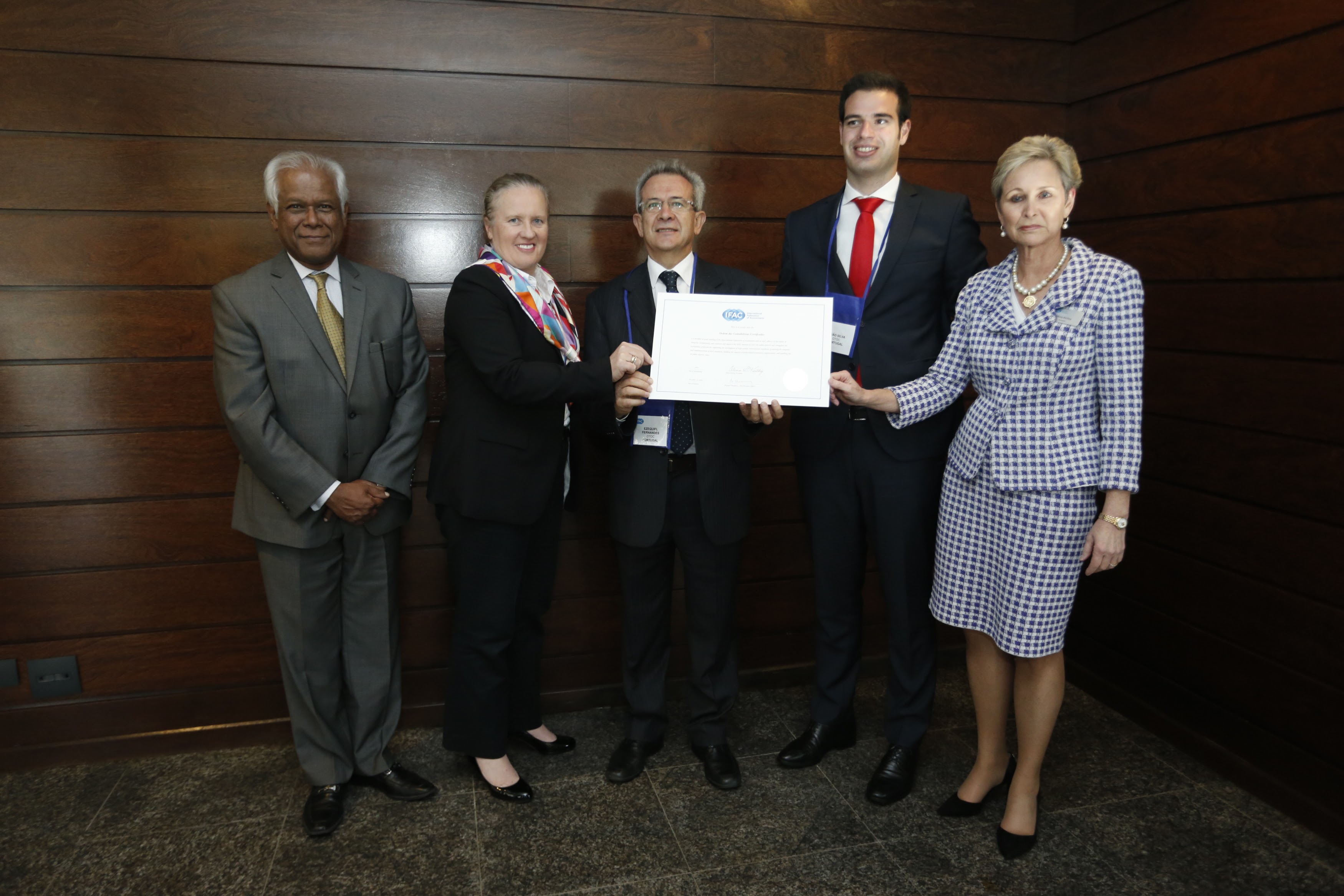
    Orden dos Contabilistas Certificados
    Image
    Caption
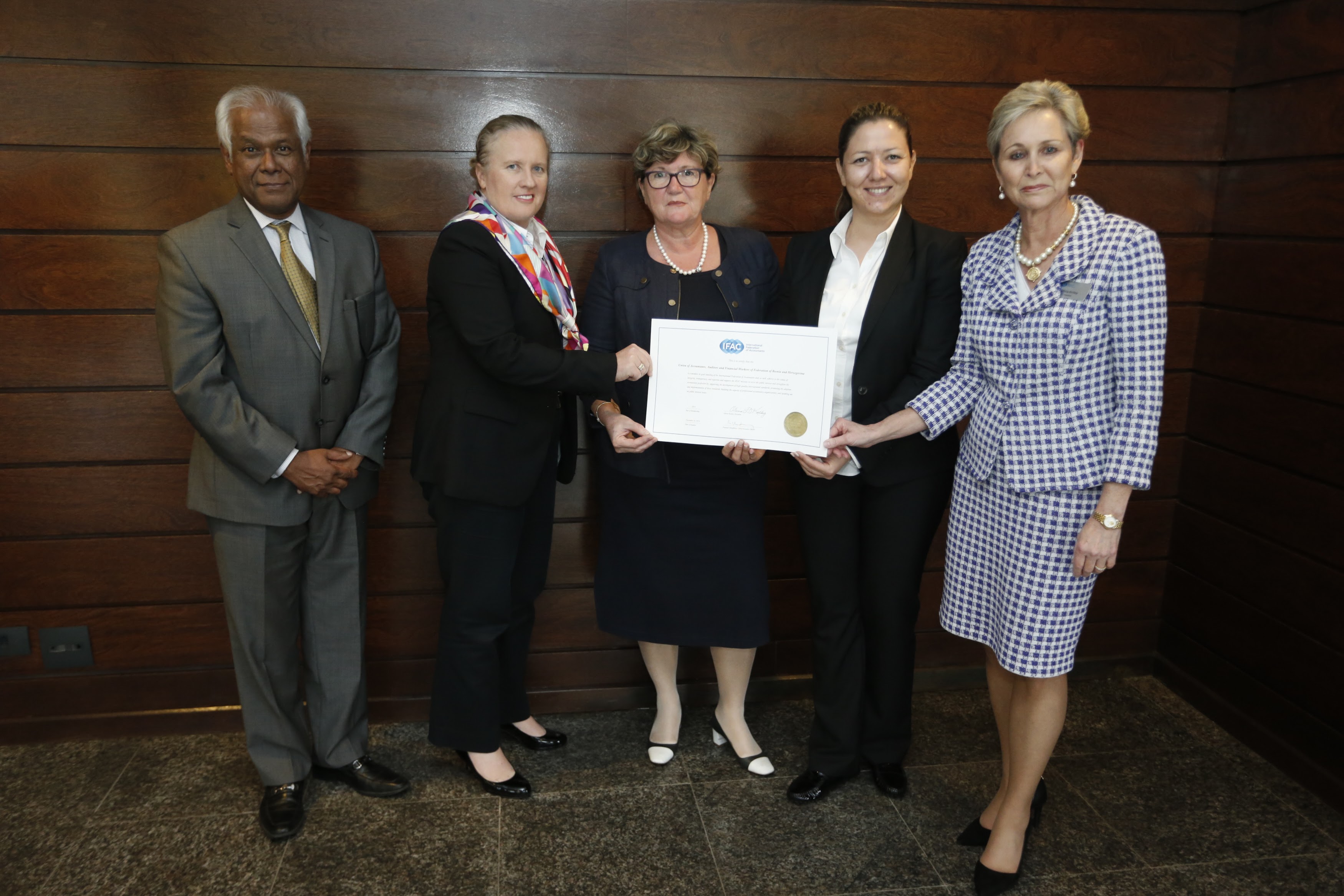
    Union of Accountants, Auditors, and Financial Workers of the Federation of Bosnia and Herzegovina
    Image
    Caption
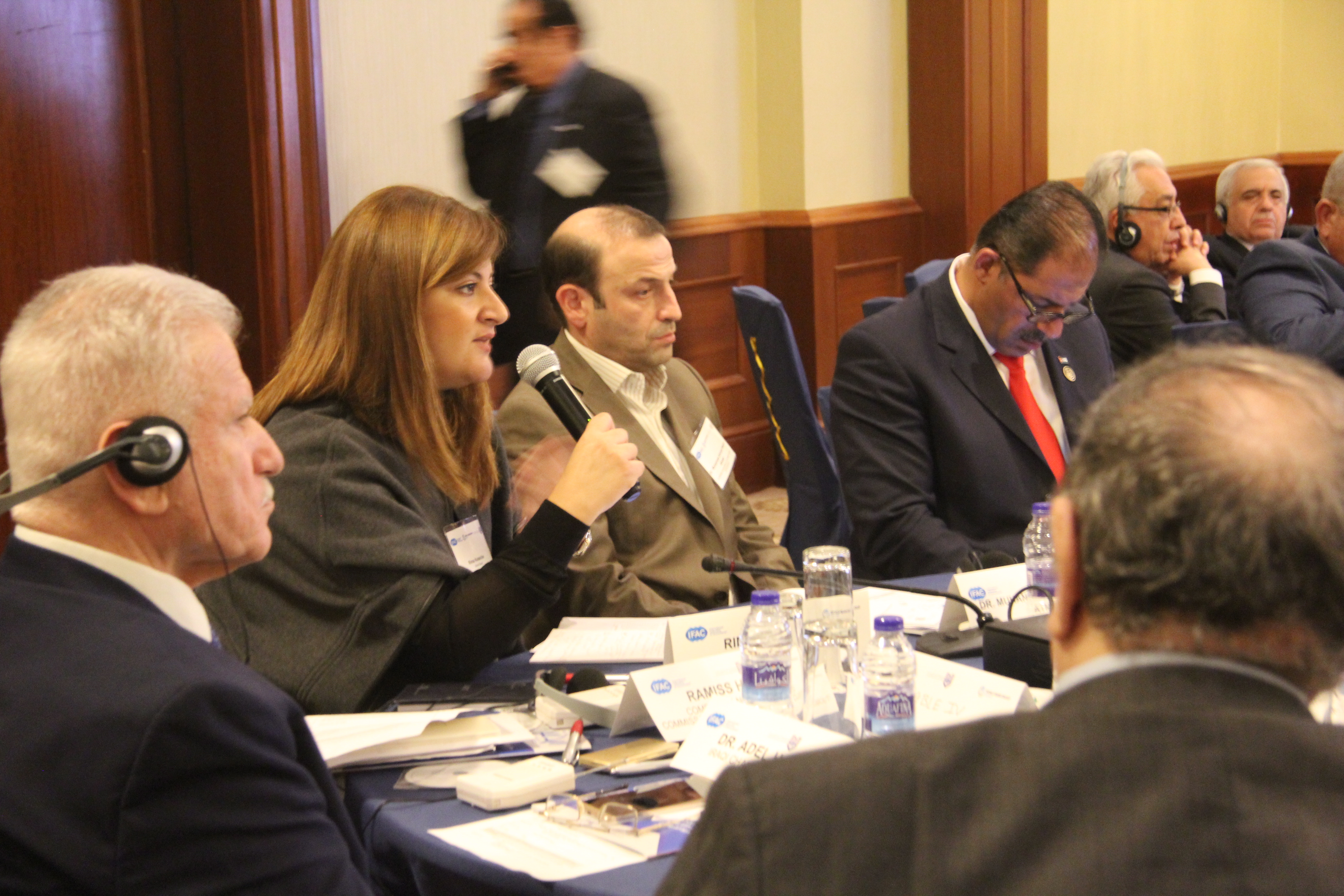
    Jordan SMO Workshop
    Image
    Caption
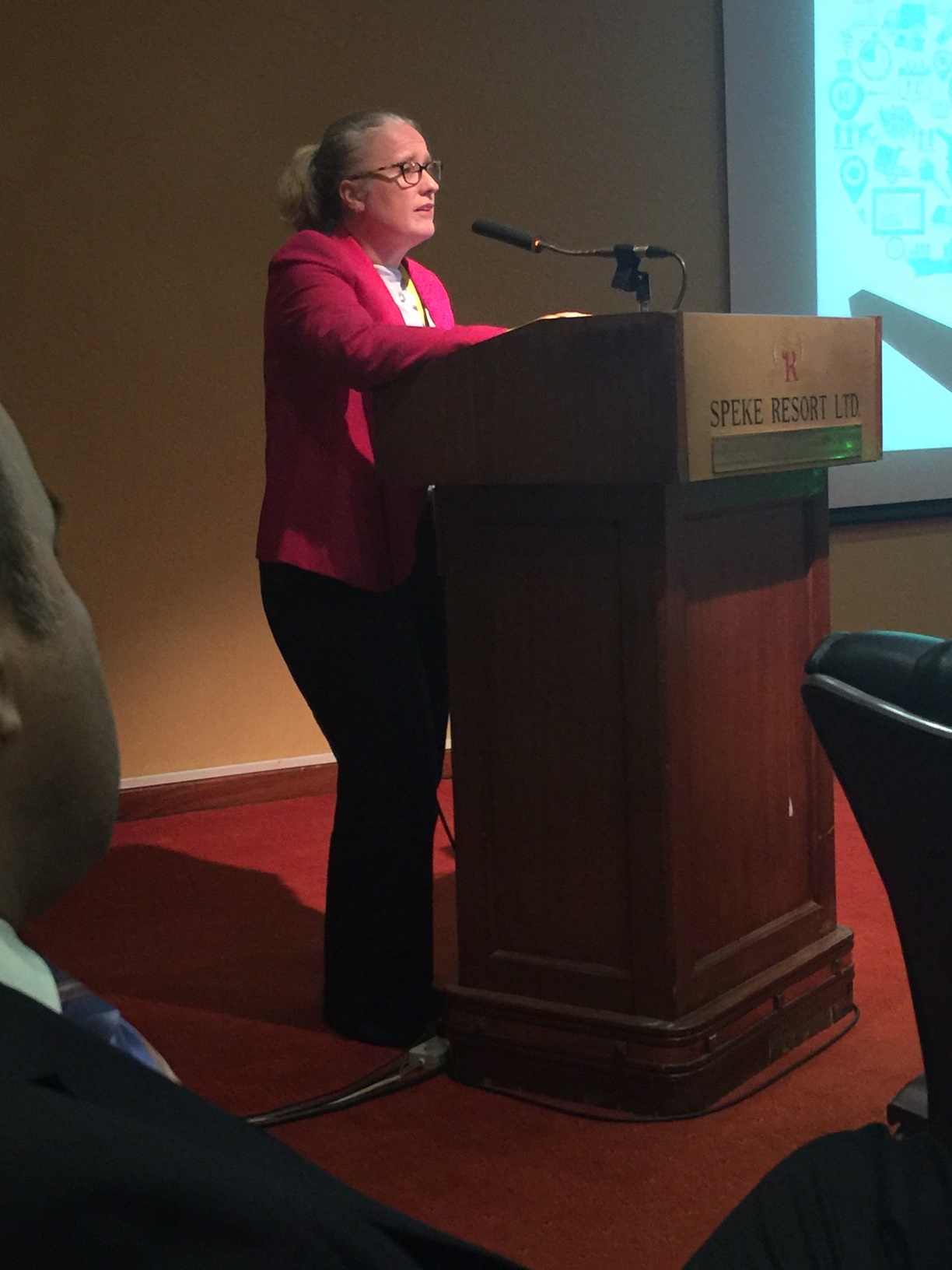
    IFAC President Rachel Grimes Addressing Accountancy Education Workshop
    Image
    Caption
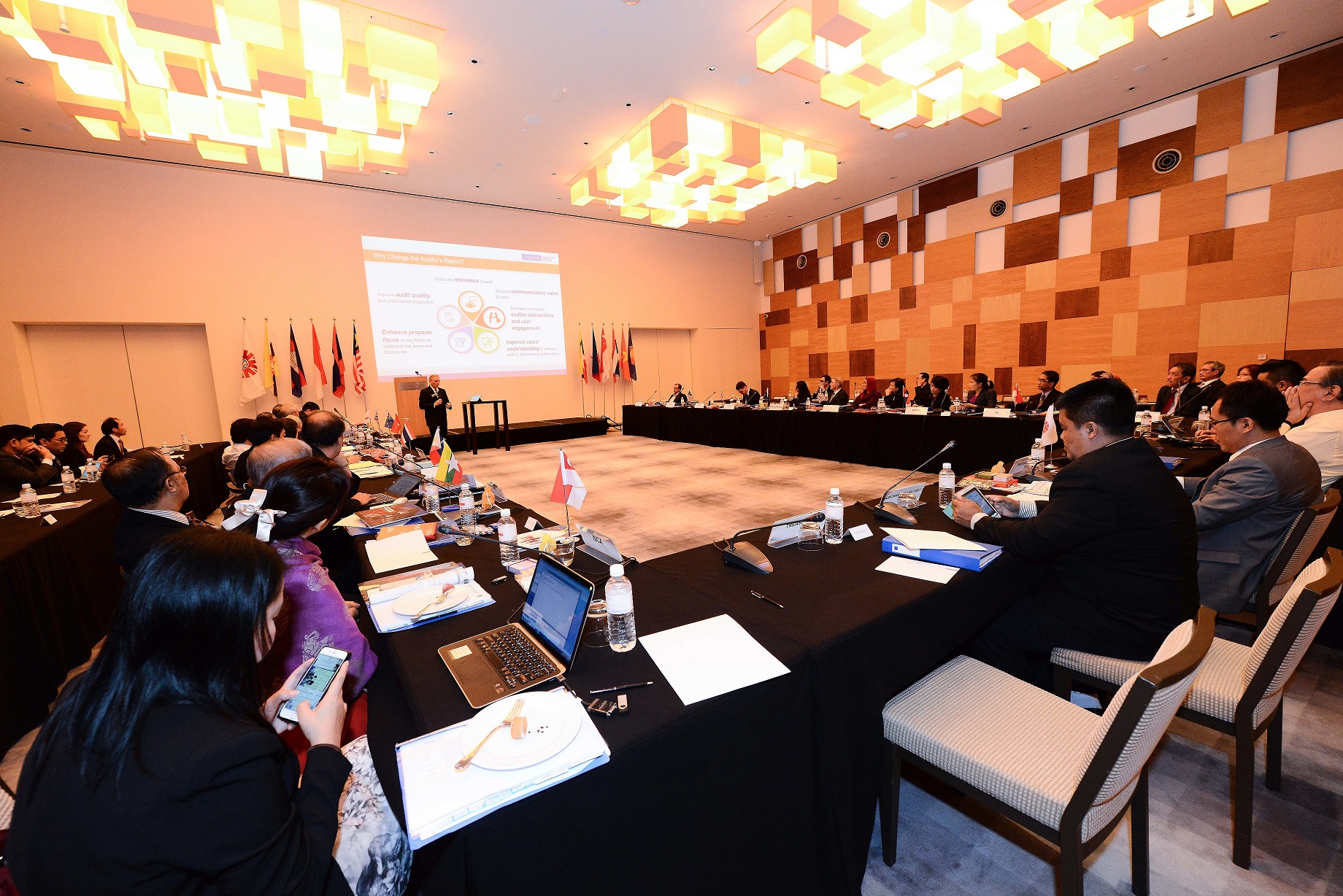
    ASEAN Council Meeting
    Image
    Caption
    Costa Rica SMO Workshop
    Over 100 Member Organization & Country Profiles Now Available Online

    Comprehensive profiles of IFAC member organizations and the jurisdictions in which they operate are available on the IFAC website. These in-depth profiles support transparency; adoption and implementation of international standards; and the public interest by demonstrating international standards’ widespread use and the profession’s efforts to encourage adoption, advance implementation, and support the businesses, governments, and communities in their nations.

    For more information on the new webpages and how to locate and use the information, take a look at our previous eNews issue, which served as a mini-primer on the new content. Please email any feedback or questions to compliance@ifac.org.

    What We’ve Learned

    To celebrate hitting our 100th profile mark, we’ve collated high-level trends and learning—gleaned from reading the published profiles.

    • High quality preparation of financial statements has not been overlooked.
      Egypt, Finland, Iraq, Pakistan, and South Africa have implemented IFRS certification courses, issued guidance, and/or established partnerships with stakeholders to support proper implementation.
    • Dedicated promotion of IPSAS continues.
      Recognizing the role PAOs play in the public sector, PAOs in Bangladesh, Benin, Lesotho, Papa New Guinea, and Serbia are actively promoting the adoption and implementation of IPSAS through discussions with government officials and training their members.
    • PAOs are successfully advocating on behalf of the profession and their members.
      The successful passage of new national accountancy laws in the Bahamas and the Cayman Islands, and OHADA regional requirements, were largely due to PAOs’ advocacy efforts.

    We recommend reviewing the profiles for your jurisdiction, member organization, and other countries to more fully understand the accountancy profession in your nation and other areas.

    IFAC Welcomes Three New Members

    The Mauritius Institute of Professional Accountants, Ordem dos Contabilistas Certificados, and the Union of Accountants, Auditors and Financial Workers of Federation of Bosnia and Herzegovina became IFAC members in November 2016 after previously being associates. We look forward to our continued collaboration to strengthen the accountancy profession worldwide.

    Spotlight On: Global Efforts to Strengthen the Accountancy Profession
    • Peru
      In October 2016, the Junta de Decanos de Colegios de Contadores Públicos del Perú met with Peruvian universities authorities and reached three important agreements that will contribute to International Education Standards adoption.
    • Laos & Singapore
      In October 2016, the Institute of Singapore Chartered Accountants and the Lao Chamber of Professional Accountants and Auditors signed a Memorandum of Understanding to further develop the accountancy profession in Laos. Read more>>
    • Brazil
      The Instituto dos Auditores Independentes do Brasil (Institute of Independent Auditors of Brazil, or IBRACON) and the Conselho Federal de Contabilidade (Federal Accounting Board, or CFC) are working to adopt the International Ethics Standards Board for Accountants’ new standard on responding to non-compliance with laws and regulations (NOCLAR) one step at a time. Read how>>
    • Lesotho
      The Lesotho Institute of Accountants has launched the Lesotho Professional Accountancy Programme, the country’s first locally-developed accounting qualification, designed to strengthen professionalization in the private and public sectors. Learn more>>
    Supporting Member Organizations
    • Realizing the Power of PAOs: Professional Qualification and Accountancy Education Workshop
      In conjunction with the 4th African Congress of Accountants in Kampala, Uganda, IFAC and the Pan African Federation of Accountants held an interactive workshop on the approaches PAOs use in educating and qualifying professional accountants. Representatives from PAOs in more than 25 countries participated in the workshop. Highlights will be posted on the IFAC website soon.
    • Jordan SMO Workshop
      In cooperation with the Jordanian Association of Certified Public Accountants and the World Bank Group’s Global Governance Practice, IFAC organized an SMO workshop in Sweimeh, Jordan in January 2017 focused on regional issues impacting the profession. Key takeaways >>
    • Inter-American Association Workshop
      To promote quality assurance systems implementation and prepare reviewers in the Latin America region, IFAC staff participated in a session of the Inter-American Association’s Train the Trainers workshop in October 2016. The workshop was a follow-up to the IFAC workshop in Costa Rica in early 2016, which uncovered some of the regional challenges for quality assurance systems. Read more in Spanish>>
    • ASEAN Council
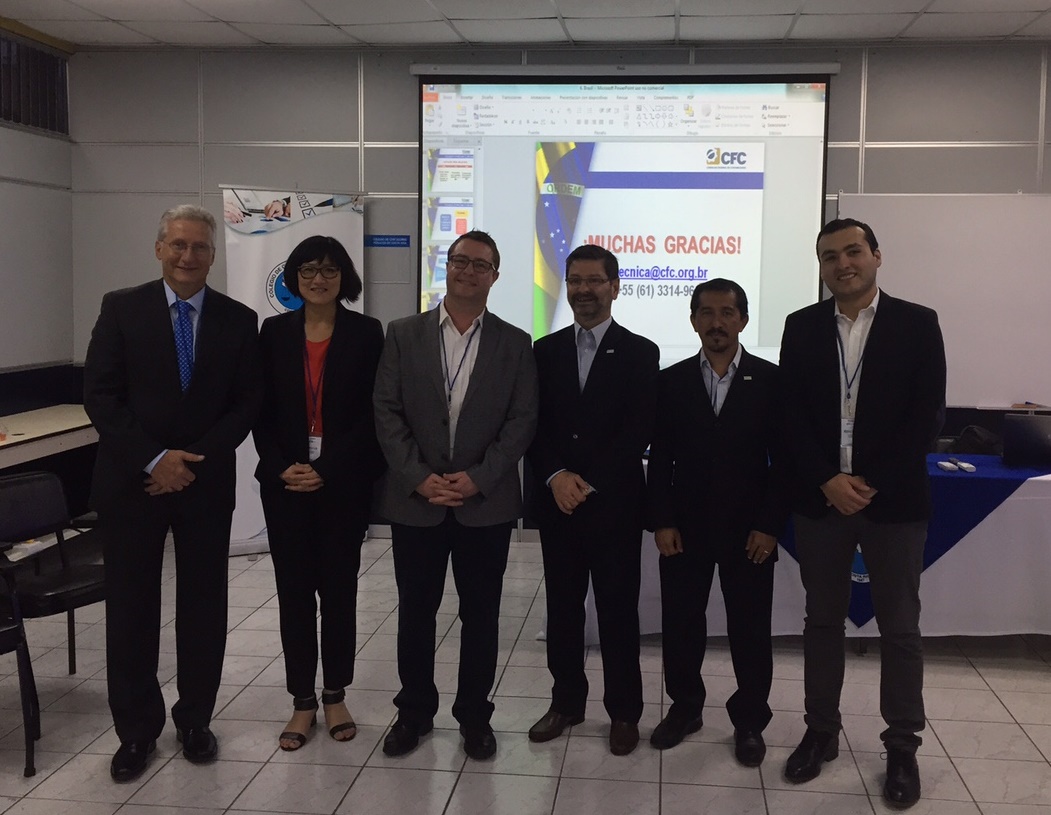
      The 122nd ASEAN Federation of Accountants Council meeting in Singapore included presentations from IFAC staff on the compliance program’s work plan, the published member and country profiles, and the new, enhanced CARE framework. Read more >>
    • Costa Rica SMO Workshop
      More than 30 representatives from 17 Central and South American and Caribbean PAOs discussed regional issues affecting the profession during a workshop focused on IFAC’s Statement of Membership Obligations, held in cooperation with the Colegio de Contadores Públicos de Costa Rica in February 2016. Read more>>
    Supporting Capacity Building
    • IFAC Capacity Building Program
      Projects under the IFAC Capacity Building Program, with funding from the UK Department for International Development, are currently underway in Ghana, KyrgyzstanNigeria, Rwanda, Uganda, Zimbabwe, and regionally in Africa. Each project targets a specific development area based on the needs of the national PAO(s), such as accountancy education or public sector accountancy capacity.
    • MOSAIC Steering Committee Webinar
      The MOSAIC Steering Committee met in April 2017 to advance the Foundations Project—an initiative of the IFAC Capacity Building Program with funding from the UK Department for International Development to build foundational accountancy skills in the public and private sectors in emerging economies. A competency framework was developed under the project, which will be field tested through an upcoming project in Rwanda; development of additional support tools is planned for the future. The Steering Committee also considered a potential initiative to build accountancy capacity in fragile states.
    Upcoming Dates:

    June 2017: ICAC Conference, Guyana

    July 2017: SMO Workshop, Vietnam

    July 2017: Compliance Advisory Panel Meeting, Vietnam

    October 2017: MOSIAC, Compliance Advisory Panel, and PAO Development Committee Meetings, New York

    October 2017: AIC Conference, Peru

    November 2017: IFAC Council, Belgium

    IFAC Quality & Development Team

    The IFAC Quality & Development Team supports IFAC member organizations’ efforts to adopt and implement international standards (thus improving SMO fulfillment) and build the capacity of the global accountancy profession.

    The team manages the Member Compliance Program and the membership admission process, PAO Capacity Building Program, including the PAO Development Committee, Accountability. Now. and sustainable accountancy development efforts. The Member Compliance Program is overseen by the Compliance Advisory Panel and the Public Interest Oversight Board as one of IFAC’s public interest activities.

    Questions: compliance@ifac.org.

  • IESBA eNews: March 2017 Meeting Highlights

    English

    The highlights of the March 2017 meeting focus on key IESBA projects and initiatives, including—among other things—professional skepticism; a review of Part C of the Code of the Ethics for Professional Accountants (the Code); the IESBA’s future strategy; and fee-related matters. The meeting included an update on an initiative of the joint IAASB-IESBA-IAESB Professional Skepticism Working Group to develop a communication to inform stakeholders about its key observations from its work to date on professional skepticism (PS).

    Since the meeting, the IESBA released in May an Exposure Draft, Proposed Application Material Relating to Professional Skepticism and Professional Judgment. The Exposure Draft includes a proposal to link, for the first time, compliance with fundamental principles in the Code with the exercise of professional skepticism in the context of audit and other assurance engagements. The Exposure Draft is open for public comment until July 25.

    The IESBA also considered and provided feedback on a Question & Answer publication prepared by IESBA staff to support implementation of the revised long association provisions finalized in December last year. The publication is now available on the IESBA website.

    Professional Skepticism

    The March IESBA meeting considered a project proposal to develop application material in the Code to:

    • explain how compliance with the fundamental principles supports the exercise of professional skepticism for audit, review, and other assurance engagements;
    • emphasize the importance of professional accountants obtaining an understanding of the facts and circumstances known to them when exercising professional judgment, in the context of applying the conceptual framework.

    The IESBA approved the project and broadly supported the direction of the proposed application material. The IESBA directed its Task Force to present a revised draft of the proposals for further consideration and approval for exposure at a teleconference scheduled in April.

    Part C of the Code Review

    The IESBA considered a revised draft of proposed Section 250, Gifts, Hospitality and Other Inducements, and discussed, among other matters, the conceptual structure of the section and inducements involving immediate and close family members. Since the meeting, the IESBA held a teleconference in May to further consider refinements to the proposals. The IESBA will consider the draft Exposure Draft, including consequential and conforming amendments to related sections of the Code, for approval at its June 19-21 meeting.

    IESBA Strategy Survey

    The IESBA further discussed the approach to, and content of, a draft stakeholder survey as a first step in developing its future strategy beyond 2018. The survey was released in April and will inform the IESBA as it develops its proposed new Strategy and Work Plan, which is expected to be issued for public consultation in 2018. The survey will remain open until July 18.

    Take the survey now »

    Fees Initiative

    The IESBA’s Fees Working Group is working to identify whether there is a relationship between fees charged by audit firms and threats to compliance with the fundamental principles or to independence.  The Working Group’s fact finding is looking at four areas: audit fee levels for individual audit engagements; relative fee size and dependence on particular clients; the ratio of non-audit to audit fees; and audit services provided by firms that have significant non-audit service businesses.

    As part of this initiative, the IESBA considered a high level review of the final report from Prof. David Hay, the academic commissioned to undertake a review of academic and other literature. The IESBA also considered an overview of regulatory provisions regarding fees in G-20 jurisdictions. 

    As part of the fact finding work, the IESBA also considered a proposed stakeholder survey being developed by its Working Group that will focus on the four identified areas.

    Accountancy Profession Tackling Corruption

    The IESBA heard a presentation from IFAC about its study, The Accountancy Profession: Playing a Positive Role in Tackling Corruption. This study is the first to demonstrate how professional accountants are a part of governance architectures that tackle corruption. The link between the prevalence of professional accountants in the workforce, and more favorable scores on the main global measures of corruption, is stronger in G20 countries, and member nations of the Financial Action Task Force, which have adopted anti-money laundering laws.

    Read the report »

    IESBA Outreach Activities

    During the first quarter, IESBA representatives met with the Standards Coordination Working Group of the International Forum of Independent Audit Regulators (IFIAR). The IESBA Chairman also gave a presentation titled “Enhancing Auditors’ Ethical Behavior” at an IFIAR Inspection Workshop.

    During the quarter, IESBA representatives also met with representatives of the profession, including the Canadian profession’s Public Trust Committee and the IFAC Small and Medium Practices Committee.

    Access listing of recent and upcoming IESBA outreach activities »

    IESBA CAG March Meeting Highlights

    The most recent IESBA Consultative Advisory Group (CAG) meeting was held March 6 in New York, US. Meeting highlights include discussion on professional skepticism, inducements, the IESBA’s strategy survey, and fee-related matters. In the context of the strategy discussion, the CAG also received a presentation from Jeanne Boillet, EY Global Assurance Innovation Leader, on the transformative effects of trends and developments in technology and innovation on the accounting and finance functions.

    Access March CAG papers »

    Recent PIOB Activity

    In March, the Public Interest Oversight Board (PIOB) released its Feedback Statement and PIOB Strategy 2017-2019. The feedback statement summarizes the responses the PIOB received on its strategy consultation and the way in which it has taken these responses into account in finalizing its strategy for 2017–2019.

    Handbook of the Code of Ethics for Professional Accountants

    Register or log in for access to current Handbook of the Code of Ethics for Professional Accountants for personal use or to purchase print copies.

    Access Handbook »

    Upcoming Dates
    • June 19-21, 2017: IESBA meeting, New York, USA
    • September 13, 2017: IESBA CAG meeting, Madrid, Spain

    For more info, or to register to attend a meeting as an observer, visit Ethics Board Meetings and Ethics Board CAG Meetings.

  • IPSASB eNews: March 2017 Meeting Highlights

    English
    Governance

    Public Interest Committee (PIC) member Jón Blöndal provided an update of the PIC meeting on March 1, 2017. Mr. Blöndal summarized the discussion, which included the IPSASB’s current work program, the member nominations process, the Consultative Advisory Group, and the IPSASB’s due process and working procedures.

    The IPSASB Chair noted that the PIC meeting had been constructive and provided a number of points for consideration by the IPSASB, particularly for the development of the future Strategy and Work Plan.

    Strategy and Work Plan Consultation

    The IPSASB held an initial discussion on the process to develop its next Strategy and Work Plan. The IPSASB agreed the timeline for the process, with a Consultation Paper (CP) to be published in the first quarter of 2018. The IPSASB also confirmed that the IPSASB’s standard-setting activities are located in the broader public sector financial management landscape and that inputs to the development of the Strategy and Work Plan will be sought from a number of partners.

    Access Presentation »

    Revenue and Non-Exchange Expenses

    The IPSASB considered issues related to accounting for revenue, including the feasibility of additional guidance to distinguish exchange and non-exchange transactions, options to address transfers with time requirements and modifications to the performance obligation approach drawn from International Financial Reporting Standard (IFRS) 15, Revenue from Contracts with Customers. The IPSASB also considered the applicability of the obligating event and performance obligation approaches (drawn from the Social Benefits and Revenue projects, respectively) to non-exchange expense transactions. The IPSASB aims to approve a CP at the June 2017 meeting.

    Access Presentation »

    Social Benefits

    The IPSASB discussed scope, key definitions, and the obligating events to be included in the future Exposure Draft (ED). The IPSASB decided not to include the “key participatory events” and “accumulating liabilities” options and to refine the options related to fulfillment of eligibility criteria. Following an education session on the forthcoming International Accounting Standards Board insurance standard, the IPSASB agreed that the insurance accounting approach should be optional for programs with some of the characteristics of insurance contracts that are intended to be fully funded.

    Access Presentation »

    Financial Instruments

    The IPSASB discussed amendments to other IPSASs arising from the update of IPSAS 28-30, Financial Instruments: Presentation; Recognition and Measurement; and Disclosure, and tentatively approved the authoritative material in the ED. The internal Task Based Group will review the non-authoritative material at an in-person meeting in April 2017. The IPSASB aims to approve the ED at the June 2017 meeting.

    Access Presentation »

    Leases

    The IPSASB decided to adopt a control-based approach to lessor accounting for the underlying asset in a lease. The IPSASB agreed that leases provided at zero or nominal consideration should be within the scope of the project.

    Access Presentation »

    Heritage

    The IPSASB reviewed a draft CP, Financial Reporting for Heritage in the Public Sector. The IPSASB agreed to discuss the use of a “one currency unit” approach for initial recognition of heritage assets in the context of historical cost measurement.

    The IPSASB approved the CP, which will be published in April. The deadline for comments will be September 30, 2017.

    Access Presentation »

    Public Sector Measurement

    The Chair of the Public Sector Measurement project’s Task Force, provided an overview of the project’s background and scope. The Task Force Chair described the rationale for the project from a public interest perspective, developments since the project’s approval in June 2015 and some high-level observations on issues. The Task Force and staff will identify project work streams and develop an issues paper for the June 2017 meeting.

    Access presentation »

    Review of the Cash Basis IPSAS

    The IPSASB considered a high level summary of the responses to ED 61, Amendments to Financial Reporting under the Cash Basis of Accounting (the Cash Basis IPSAS™), and had an initial discussion of some of the issues identified by respondents. The IPSASB will consider a more detailed analysis of responses at the June 2017 meeting.

    Access presentation »

    Joint Seminar with IMF & World Bank Group

    On March 6, delegates from the World Bank, International Monetary Fund (IMF), IPSASB, and IFAC participated in an international seminar, Transparency and Beyond: Harnessing the Power of Accrual in Managing Public Finances. The seminar considered the broad public financial management (PFM) landscape and how economists, statisticians and policy makers can co-operate to best use the powerful information provided by accrual-based IPSAS financial reports.

    Access presentation »

    Meeting Podcasts

    An audio podcast highlighting key points of the March 2017 meeting is now available.

    Listen now »

    Next Meeting

    The next meeting of the IPSASB will be in Luxembourg from June 27-30, 2017.

  • IAASB eNews Special Edition: New IAASB Technical Director Seeks to Grow Global Team

    New York, New York English

    The IAASB is pleased to announce the appointment of Matthew Waldron as Technical Director.

    In this role, Mr. Waldron works closely with the IAASB Chair to engage senior members of the global accountancy profession, the regulatory community, and other key stakeholders in support of, and to enhance, global public trust; and to manage the international audit and assurance standard-setting program.

    Mr. Waldron leads and develops a dynamic team of highly-talented individuals that help influence the direction, shape, and content of leading-edge standard-setting projects. His team operates in a diverse and collegial environment, building strong relations with colleagues and peers who are passionate about international standard setting.

    Previously, Mr. Waldron was a Director in the Financial Reporting Policy Group at CFA Institute, where he represented membership interests regarding audit and financial reporting proposals issued by the US Financial Accounting Standards Board, the International Accounting Standards Board, and other regulators and standard setters. Earlier in his career, he also worked for KPMG and PwC. Since 2014, Mr. Waldron has chaired the IAASB’s Consultative Advisory Group, in addition to serving as a member representative since 2007. Under Mr. Waldron’s leadership, the IAASB is now seeking to fill multiple vacancies.

    Are you seeking an exceptional professional opportunity that combines your understanding of the public interest role of auditing and assurance standards with your desire to make a difference on a global stage?

    The IAASB is seeking two talented individuals to fill a Principal and a Manager position based in New York. These impactful positions require knowledge of audit and assurance, an understanding of standard setting, and strong team work and leadership skills.

    For the Principal position, we are looking for an individual with advanced expertise in auditing or assurance, or prior standard-setting experience. As a senior member of the IAASB, this position will be responsible for more technically challenging projects and initiatives as well as providing guidance to managers and support staff.

    The Manager, Standards Development and Technical Projects position requires intermediate expertise in auditing or assurance. He or she will support senior IAASB staff on challenging projects while also taking primary responsibility for other important projects and activities.

    The IAASB is responsible for global audit and assurance standard setting. Robust audit and assurance standards are fundamental to the way modern societies work, enhancing credibility and trust in a society’s external reporting. The IAASB achieves this through its commitment to advancing audit quality worldwide, developing standards that protect the interests of those who rely on audits, assurance, and other services, and are practicable for those who implement the standards.

    The IAASB is supported by a talented team of professionals from different backgrounds, all of whom embrace the opportunities and challenges of collaborating on a global stage. This team assists the IAASB in serving the public interest by setting high-quality international standards, and by facilitating their adoption and implementation. We offer our team a competitive compensation and a superior benefits package, including medical, dental, retirement plans, and annual leave.

    We invite you to apply for our open positions by March 31 and join our expert and dedicated team.


    The IAASB is one of four independent international standard-setting boards whose operating structures are supported by the International Federation of Accountants. Most standard-setting staff positions for the IAASB and the International Ethics Standards Board for Accountants are based in New York, US. Standard-setting staff positions that support the International Public Sector Accounting Standards Board and International Accounting Education Standards Board are based in Toronto, Canada.

  • Accountability. Now. eNews: February 2017

    English
    In Focus
    Accountability. Now. Nigeria

    At the Accountability. Now. Nigeria conference—held by the Institute of Chartered Accountants of Nigeria last October—former IFAC President Olivia Kirtley delivered the keynote speech on good governance and accountability in the public sector. Given the large sums that flow through governments, she noted the urgency of public financial management (PFM) reform, and commended the Nigerian Ministry of Finance decision to adopt accrual-based International Public Sector Accounting Standards—or IPSAS—as the government’s reporting framework.

    Access speech»

    PFM Reforms in Francophone Africa

    Public Financial Management, Strengthening Institutions and Accountability—a conference held in Madagascar last October—saw accountancy leaders discuss how PFM reform in Francophone Africa could be expedited. Delegates underscored the public sector capacity challenge, and recognized many more accounting professionals are required to achieve the desired reform outcomes. The event was hosted by IFAC, the Pan African Federation of Accountants (PAFA), Fédération Internationale des Experts Comptables et Commissaires aux Comptes Francophones (FIDEF), World Bank, and African Development Bank.

    See press release»

    XXII INCOSAI Conference

    The XXII International Congress of the International Organization of Supreme Audit Institutions (INCOSAI) was held last December in Abu Dhabi, UAE, and attracted participants from 192 countries and 15 international and professional organizations. IFAC’s presentation highlighted key areas in which it and INTOSAI are natural partners: public sector governance, accounting, auditing, sustainable development goals, and the Accountability. Now. initiative.

    High-Quality Public Financial Accounting Is Key

    Experts tell IFAC’s GatewayTV why high-quality public financial accounting matters:

    • Chair, CIPFA International Ian Ball
    • Former UK Shadow Chancellor of the Exchequer & Senior Fellow, Harvard Kennedy School Ed Balls.
    • Dean, Leventhal School of Accounting; Alan Casden Dean's Chair; and Professor of Accounting, USC William Holder.
    • Global Public Sector Accounting and Auditing Leader, Deloitte Frans van Schaik.
    • Director General, Budget and Public Finance, Austria Gerhard Steger.
    • Economist and Senior Fellow, Bruegel Nicolas Véron.
    • Former US Comptroller General, Senior Strategic Advisor, PwC David Walker.

    See also the Accountability. Now. video on why every citizen should care about government spending.

    Major Events in 2017
    Association of Chartered Certified Accountants International PFM Conference, February 14-15, Johannesburg, South Africa

    This global conference explored:

    key drivers for change in the public sector;

    skills required by professional public sector accountants and organizations to continue to add value; and

    common IPSAS implementation issues, and practical solutions.

    Launched at the event, 50 Drivers of Change in the Public Sector explores how change will impact the public sector in the coming 5 years.

    OECD Public Sector Accruals Symposium, March 2-3, Paris, France

    The 17th Annual Meeting of Organisation for Economic Co-operation and Development (OECD) Senior Financial Management Officials is dedicated to accrual developments in individual countries, and will provide an opportunity for delegates to exchange information about their countries’ reforms.

    Transparency and Beyond: Harnessing the Power of Accrual in Managing Public Finances, March 6, Washington DC, USA

    This invitation-only event, jointly organized by the IPSASB, World Bank, and International Monetary Fund, will discuss the current state of accrual practices in the public sector, how it supports strong PFM and increased transparency, and what needs to be done to achieve successful reforms. 

    Contabilidad y Responsabilidad para el Crecimiento Económico Regional (CreCER), June 5-9, Mexico City, Mexico

    This Latin America and Caribbean flagship learning initiative supports regional economic growth and development. This year’s event will include a session on improving financial reporting and accountability frameworks in the public and private sectors. Part of the event is open to the public and can be attended by interested institutions and individuals for a registration fee. Website, including registration information, coming soon. Learn more

    More
    Resources & News
  • IESBA eNews: December Meeting Highlights; Restructuring the Code

    English
    IESBA Meeting, December 12–15, 2016, in New York, New York

    The December meeting highlights feature updates on the IESBA’s current projects and initiatives, including: Long Association, Structure of the Code of Ethics for Professional Accountants (the Code), Safeguards, Part C, Professional Skepticism, and the IESBA’s future strategy and work plan. The IESBA also received a final report on a review of academic research and other literature on the topic of fees, and provided input on proposed IESBA Staff Questions & Answers (Q&As) addressing responding to non-compliance with laws and regulations (NOCLAR) (see below).

    The IESBA approved three Exposure Drafts, and agreed in principle the new structure and drafting conventions of the Code, the restructured text of Phase 1 of its Structure project, and the revised text of Phase 1 of its Safeguards project. The latter comprises revisions to the provisions in the extant Code relating to the conceptual framework (Section 120) and the application of the conceptual framework to professional accountants in public practice (Section 300). See Restructuring the Code for the status of all the component pieces of the Structure project, set for completion at the end of the year, along with numerous support materials including an Update from the board, Mapping Table, and Compilation of the Proposed Restructured Code.

    Listen to December Highlights >> | Read December Meeting Summary >>

    Structure Phase 2 Exposure Draft

    The Structure Phase 2 proposals restructure select sections of the Code, including recently finalized provisions addressing accountants’ response to NOCLAR, long association of firm personnel with an audit or assurance client, and ethical issues that professional accountants in business often face.

    Comment by May 25 >>

    Safeguards Phase 2 Exposure Draft

    The proposals address safeguards-related provisions in the Code’s independence sections pertaining to non-assurance services provided to audit and assurance clients. The document also explains the rationale for the revisions to the non-assurance services section of the extant Code; and the proposed conforming amendments arising from the Safeguards project as these relate to the text of Phase 1 of the Structure project.

    Comment by April 25 >>

    Applicability Part C Exposure Draft

    The proposals clarify the applicability of the requirements and application material in the Code’s extant Part C—Professional Accountants in Business—to professional accountants in public practice.

    Comment by April 25 >>

    Implementation Support—NOCLAR Q&As

    The IESBA’s final pronouncement, Responding to Non-Compliance with Laws and Regulations, comes into effect July 15, 2017. To support implementation, IESBA staff have released two Q&A documents: one for professional accountants in practice; and one for professional accountants in business. For additional resources, see the IESBA NOCLAR page. The text of the NOCLAR pronouncement is being redrafted as part of the Structure project (See Structure Phase 2 above). The restructuring work is not intended to change the substance of the NOCLAR provisions. Additional implementation support resources will be made available on the IESBA NOCLAR page in due course.

    Access Q&As >>

    Professional Skepticism

    The IESBA considered a proposal for a short-term project and proposed enhancements to more strongly emphasize professional skepticism in the Code. The IESBA will consider a revised project plan and proposals at its March 2017 meeting. The IESBA also received an update on the recent activities of the tripartite Professional Skepticism Working Group (PSWG) comprising representatives of the International Auditing and Assurance Standards Board (IAASB), IESBA, and International Accounting Education Standards Board (IAESB).

    See Agenda Papers >>

    IESBA Strategy and Work Plan 2019-2023

    The IESBA began developing its next Strategy and Work Plan (SWP) with initial consideration of matters to include in a survey, to be issued as part of an extensive due process at the end of March, followed by a consultation paper by Q1 2018. As part of this process, the IESBA will hear a presentation at its next meeting about transformation of the accounting and finance functions, including disruptions from technological advances and innovation.

    See Agenda Papers >>

    IESBA CAG Teleconferences

    The Consultative Advisory Group (CAG) met twice by phone: once in January to receive a report-back on the outcome of the IESBA’s deliberations regarding the Long Association project in the light of comments raised by the Public Interest Oversight Board (PIOB), and in December to consider a proposal for a short-term IESBA project to respond to stakeholder calls for greater emphasis on professional skepticism in the Code.

    Access Jan 11 Meeting Papers >>

    Access Dec 7 Meeting Papers >>

    Recent PIOB Activity

    At its December 1-2, 2016, meeting, the Public Interest Oversight Board (PIOB) discussed the IESBA task force's response to the PIOB’s feedback on the Long Association project. In January 2017, the PIOB concluded that the Long Association close-off document was approved by the IESBA in accordance with due process and with proper regard for the public interest.

    Access PIOB Update >>

    Handbook Code of Ethics for Professional Accountants

    Register or log in for access to current Handbook of the Code of Ethics for Professional Accountants for personal use or to purchase print copies.

    Access Handbook >>

  • IPSASB eNews: December 2016

    English

    Meeting Podcasts

    An audio podcast reviewing key points of the December 2016 meeting is now available. A separate podcast on the Consultative Advisory Group (CAG) meeting is also available.

    Listen to December IPSASB Highlights>> Listen to December IPSASB CAG Highlights>>

    Consultative Advisory Group

    The IPSASB CAG held its second meeting on December 5. The CAG discussed needs and perspectives in the current public financial management (PFM) environment. This included the IPSASB´s role and responsibility in the global PFM landscape and initial input to the IPSASB’s next strategy and work plan. The CAG was updated on the IPSASB’s current work plan and discussed the projects on Public Sector Combinations, Financial Instruments, Leases, and Heritage.

    Access Presentation>>

    Public Sector Combinations

    The IPSASB considered a draft final pronouncement that reflected the decisions taken at the September 2016 meeting. After agreeing to a number of drafting changes, the IPSASB approved IPSAS 40, Public Sector Combinations. The standard, which has an effective date of January 1, 2019, is expected to be issued in late January or February 2017.

    Access Presentation >>

    Revenue & Non-Exchange Expenses

    The IPSASB approved the first three chapters of the draft Consultation Paper dealing with the drivers for the project, the literature on revenue recognition, and the categorization of public sector transactions in order to explore the extent to which a performance obligation approach might be applied. The IPSASB agreed that, under this approach, there are a range of remedies available to a resource provider in the event of non-fulfillment of a performance obligation by a resource recipient.

    Access Presentation >>

    Social Benefits

    The IPSASB progressed the project scope and key definitions. The IPSASB also considered the obligating events to be identified in a future Exposure Draft. While not reaching any conclusions on these topics, the IPSASB identified further matters for consideration, including current IASB work on Insurance. The IPSASB had initial discussions on disclosures and amendments to other IPSAS.

    Access Presentation >>

    Financial Instruments

    The IPSASB discussed a number of issues in development of the Exposure Draft, including accounting for embedded derivatives, hedge accounting, and transitional provisions. The IPSASB agreed to remain consistent with IFRS 9 for authoritative guidance in these areas and to develop public sector-specific illustrative examples and implementation guidance.

    Access Presentation >>

    Leases

    The IPSASB discussed two variants of the right-of-use model for lessor accounting. While most IPSASB members support continuing to recognize the underlying asset in its entirety and to recognize a liability (unearned revenue), the IPSASB directed staff to carry out further analysis on consistency with sale and leaseback requirements and other IPSAS. The IPSASB decided to replace the term “peppercorn leases” with the term “concessionary leases.”

    Access Presentation >>

    Heritage

    The IPSASB reviewed a draft Consultation Paper on financial reporting for heritage in the public sector, and approved the first three chapters. The IPSASB will consider the next four chapters, including recognition and measurement of heritage items, in March.

    Access Presentation >>

    Overview of the Conceptual Framework in Mandarin

    The Conceptual Framework for General Purpose Financial Reporting by Public Sector Entities Webinar is now available in Mandarin. The Framework guides the development of IPSAS and Recommended Practice Guidelines. It also provides guidance on financial reporting issues outside the IPSASB’s literature.

    Watch Webinar >>

    Call for Nominations

    The Call for Nominations for the Independent Standard-Setting Boards for 2018 sets out upcoming opportunities on the independent standard-setting boards, including the IPSASB. For details on time commitments and how to nominate, see Developing a Nominations Strategy.

    Learn More >>

  • IAASB eNews: December 2016

    English
    Prof. Schilder on the Future of Audit

    IAASB Chairman Prof. Arnold Schilder recently spoke during the Association of Chartered Certified Accountants-Grant Thornton Future of Audit conference in Brussels, Belgium. Full text of the speech is available online. 

    Read More »

    Auditor Reporting Frequently Asked Questions

    A series of questions and answers related to the new Auditor's Report is now available from the IAASB Auditor Reporting Implementation Working Group to provide guidance, especially on those areas where there are common differences in interpretation of the new and revised Auditor Reporting standards and International Standard on Auditing (ISA) 720 (Revised).

    Read Q&As 
    »

    Auditor Reporting Webinar

    Dan Montgomery, Chair of the IAASB's Auditor Reporting Implementation Working Group, recently presented during a virtual training hosted by the World Bank Centre for Financial Reporting Reform. The training and Mr. Montgomery's presentation covered the enhancements to the IAASB's standards resulting from the IAASB's auditor reporting project and provided insights from early adoption.

    Learn More »

    Agreed-Upon Procedures Discussion Paper

    A new Discussion Paper explores agreed-upon procedures (AUP), including how they are undertaken and the extent to which practitioners find existing requirements and guidance helpful or challenging. It also explores the demand for engagements that combine reasonable assurance, limited assurance, and non-assurance engagements, and whether the IAASB's standards are appropriate for these types of engagements.

    Comment by March 29, 2017 »

    Reminder: Input Requested on Growing Use of Data Analytics

    In response to the rapidly changing pace of technology and the capability to capture and communicate data digitally, the IAASB's Data Analytics Working Group issued a Request for Input, Exploring the Growing Use of Technology in the Audit, with a Focus on Data Analytics

    Comment by Feb. 15, 2017 »

    Reminder: Emerging Forms of External Reporting Consultation

    The Discussion Paper is intended to facilitate transparent dialogue about the IAASB’s potential role and where others can or need to play a role in the holistic and interactive process to support credibility and trust in emerging forms of external reporting. It explores factors that can enhance credibility and trust, types of professional services covered by the IAASB’s standards, key challenges in relation to assurance engagements, and the type of guidance that may be helpful. Please note, the deadline for comments has been extended.

    Comment by Feb. 3, 2017 »

    Understanding the Needs and Challenges of SMPs

    The IAASB, Compagnie Nationale des Commissaires aux Comptes, and Conseil Supérieur de l'Ordre des Experts-Comptables are co-hosting an important two-way dialogue between standard setters and other interested stakeholders (including practitioners) on the needs and challenges of small- and medium-sized practices (SMPs). The two-day conference, Laying the Foundations for Sustainable Economic Growth: Addressing the Unique Challenges of SMPs and the Needs of SMEs, will be held in Paris in late January 2017. Day one will focus on the needs of users in relation to engagements that are not audits; day two will focus on applying the ISAs in audits of small- and medium-sized entities. 

    Responding to Changes to IESBA Code Addressing NOCLAR
    September Meeting Podcast and Highlights

    IAASB Acting Technical Director Beverley Bahlmann hosts the September 2016 audio podcast, featuring Chairman Arnold Schilder and IAASB Members Fiona Campbell, Annette Köhler, Ron Salole, Rich Sharko, and Megan Zietsman to discuss key activities and events from the board's September 19-23, 2016, meeting in Hong Kong. Meeting highlights are also available.

    Listen Now »

    Outreach Activity Update

    The IAASB has continued its extensive outreach program contemplated in its five-year Strategy for 2015–2019: Fulfilling Our Public Interest Mandate in an Evolving World. It has compiled a detailed listing of outreach activities for January-November 2016.

    Learn More »

    December Meeting Papers

    The IAASB met last week (December 5-9, 2016) in New York, NY; meeting papers are available online. Meeting highlights and podcase will be available soon.

    Read More »

    Call for Nominations Deadline: January 31, 2017

    The Call for Nominations for the Independent Standard-Setting Boards for 2018 has been issued, setting out upcoming opportunities on the independent standard-setting boards, including the IAASB. Details on time commitments, how to nominate, and more are included in the Call and the companion Developing a Nominations Strategy.

    Read More »

    Adoption of International Standards

    The International Federation of Accountants (IFAC) recently published comprehensive profiles of member organizations and the jurisdictions in which they operate online. The in-depth information demonstrates the widespread use of international standards, including those issued by the IAASB, and efforts to encourage adoption and advance implementation.

    Learn More »

    Upcoming Dates
    • December 20, 2016: IAASB Handbook (electronic vol. 1; vol. 2 & 3 and print version available in January 2017)
    • January 31 & February 14, 2017: IAASB Teleconferences
    • March 13-17, 2017: IAASB Meeting, Lima, Peru
    • May 2 & May 18, 2017: IAASB Teleconferences
    • June 19-23, 2017: IAASB Meeting, New York, New York
    • July 18 & August 1, 2017: IAASB Teleconferences
    • September 18-22, 2017: IAASB Meeting, New York, New York
    • October 24-26, 2017: IAASB Meeting, New York, New York
    • November 7, 2017: IAASB Teleconference
    • December 11-15, 2017: IAASB Meeting, New York, New York
    For more information, or to register to attend an IAASB meeting as an observer, visit IAASB Meetings and IAASB CAG Meetings.
     
  • IESBA eNews: September 2016 Meeting Highlights; New NOCLAR Video Q&As

    English
    IESBA Meeting, September 26–30 in New York, New York

    The September meeting highlights feature updates on the IESBA’s current projects and initiatives, including: Long Association, Structure of the Code of Ethics for Professional Accountants (the Code), Safeguards, Part C, and Professional Skepticism. The IESBA also was briefed on the progress of the review of academic and other literature on the topic of fees, and considered proposed IESBA Staff Q&As on its recently released standard addressing non-compliance with laws and regulations (NOCLAR).

    The IESBA unanimously approved final changes to the Code relating to the long association of firm personnel with an audit or assurance client. The IESBA plans to hold a teleconference in November 2016 to agree on the effective date of the revised provisions. Subject to Public Interest Oversight Board approval, these changes, developed under the current structure and drafting conventions for the Code, will be made available on the IESBA website by the end of the year.

    Listen to September Highlights >> | Read September Meeting Summary >>

    Professional Skepticism

    At its September meeting, the IESBA also considered preliminary recommendations from the joint Professional Skepticism Working Group—comprising representatives of the IESBA, International Auditing & Assurance Standards Board (IAASB), and International Accounting Education Standards Board—on actions that the three standard-setting boards could take, individually and in coordination, to enhance the application of professional skepticism in their respective standards, following an update on feedback to the IAASB’s Invitation to Comment (ITC). The IESBA agreed to explore the feasibility of short-term enhancements to the Code, potentially for public exposure in early January.

    See the ITC >>

    IESBA CAG Meeting: September 13-14

    The Consultative Advisory Group (CAG) meeting started with a joint session with the IAASB CAG to receive report-backs on the boards’ respective NOCLAR projects, and to discuss matters arising from the preliminary work of the boards’ joint Professional Skepticism Working Group—see left. The IESBA CAG meeting continued with CAG representatives discussing and/or providing input on several board projects—Structure, Safeguards, Part C, and Long Association—followed by an update on the fees initiative.

    Access Meeting Papers >>

    PIOB Meeting Update

    At its September 14-16 meeting, the Public Interest Oversight Board (PIOB) approved the nominations recommended by the Nominating Committee for the 2017 composition of the IESBA, and other groups it oversees. Two of the IESBA members will be retiring from the board at the end of the year. IESBA Chairman Dr. Stavros Thomadakis attended a joint session with the Chairs of the CAGs of the other standard-setting board to discuss common issues and the PIOB’s 2017-2019 Strategy consultation, among other issues.

    Read More >>

    NEW Video: NOCLAR Q&A with Anne Molyneux

    Anne Molyneux, representing the International Corporate Governance Network on the IESBA CAG, explains how the new NOCLAR standard can enhance corporate governance and support the public interest, urging all those in the financial reporting supply chain—not only accounting professionals but also regulators and lawmakers—to understand they have a role in preventing and bringing to light potential non-compliance with laws and regulations.

    Watch Video >>

    NEW Video: NOCLAR Q&A with Lucy Elliott

    Lucy Elliott, representing the Organisation for Economic Co-operation & Development (OECD) on the IESBA CAG, illuminates key aspects of the OECD’s Anti-Bribery Convention, and explains how the Convention and the IESBA’s NOCLAR standard share key public interest objectives, including fighting the global scourges of bribery and corruption. She calls on regulators to consider strengthening jurisdictional whistleblower protections, which would enable compliance with the Convention requirements and complement and support the new IESBA standard.

    Watch Video >>

    NEW Video: NOCLAR Q&A with Matt Waldron

    Matt Waldron, representing the CFA Institute on the IESBA CAG, discusses the new NOCLAR standard’s relevance to the investment community, particularly how the standard can enhance trust and confidence in organizations. He also explains how corporate governance, including tone at the top, is critical to creating a culture that discourages non-compliance and encourages speaking up and reporting instances of possible non-compliance with laws and regulations.

    Watch Video >>

  • IPSASB eNews: September 2016 Meeting Highlights

    English
    Governance

    The IPSASB noted that the IFAC Board approved the IPSASB’s revised Terms of Reference at its September 2016 meeting.

    IPSASB Consultative Advisory Group (CAG) Chair, Mr. Thomas Müller-Marqués Berger, updated the IPSASB on efforts to add additional members with a parliamentarian perspective and discussed the agenda and approach to papers for the next CAG meeting in December 2016.

    Financial Instruments

    In developing the forthcoming Exposure Draft (ED) to update IPSASB’s standards on financial instruments, the IPSASB discussed overarching issues, such as terminology and interaction with other standards, as well as specific issues related to classification, measurement, and impairment. The IPSASB agreed to remain consistent with IFRS 9, Financial Instruments, for authoritative guidance in those areas and to develop public sector-specific illustrative examples as appropriate to alleviate implementation concerns.

    Access Presentation>>

    Heritage

    The IPSASB reviewed a draft Consultation Paper (CP) on financial reporting for heritage in the public sector. The IPSASB supported a preliminary view on a definition of heritage items, but concluded that use of a “symbolic value” of one currency unit to measure heritage assets is not consistent with its Conceptual Framework. Chapters on heritage-related information—obligations and presentation—will be revised to consider the implications of heritage items’ special characteristics. In December, the IPSASB will consider a revised CP.

    Access Presentation>>

    Leases

    The IPSASB decided not to adopt the lessor accounting requirements in IFRS 16, Leases. The IPSASB directed staff to analyze further lessor accounting models against the criteria of consistency with the Conceptual Framework, the IPSASB’s current literature, and lessee accounting, taking into account the overall public sector context. The IPSASB also made a tentative decision not to include explicit guidance in an ED on the assessment of a sale within the context of a sale and leaseback transaction based on a performance obligation approach, prior to any decision on, and development of, an IPSAS drawn from IFRS 15, Revenue from Contracts with Customers.

    Access Presentation>>

    Social Benefits

    In addition to progressing the scope of the project, the IPSASB agreed that meeting eligibility criteria related to social risks is a key element of the social benefits definition. The IPSASB agreed that a future ED should include the “threshold eligibility criteria” and “eligibility criteria for the next benefit” obligating events, with further research required on other possible obligating events.

    Access Presentation>>

    Revenue and Non-Exchange Expenses

    After reviewing a first draft of a CP, the IPSASB instructed that modifications should be made to the structure and that it should reflect a greater preparer and user perspective. The IPSASB agreed that the public sector performance obligation approach should be limited to transactions that are enforceable, but that enforceability should reflect a variety of public sector mechanisms, rather than purely contractual ones. The IPSASB will consider a revised draft in December.

    Access Presentation>>

    Public Sector Combinations

    In light of responses to Exposure Draft 60, Public Sector Combinations, the IPSASB agreed to make a number of changes to the requirements. The key changes are: additional clarification of the classification approach; permitting the presentation of comparative information in amalgamations; and allowing reserve balances to be carried forward in amalgamations. The IPSASB expects to approve an IPSAS at its December 2016 meeting.

    Access Presentation>>

    Overview of the Conceptual Framework in Portuguese

    The IPSASB published an overview of the Conceptual Framework for General Purpose Financial Reporting by Public Sector Entities in Portuguese. Narrated by IPSASB staff member João Carlos Fonseca, this presentation provides an overview of the key aspects of the Conceptual Framework, which guides the development of IPSAS and Recommended Practice Guidelines and can also provide guidance on financial reporting issues that are not dealt with by the standards and guidelines.

    Watch now>>

    Outstanding Consultation Document

    The CP, Public Sector Specific Financial Instruments, is open for public comment until December 31,2016. The CP aims to initiate a debate on the scope of requirements and guidance, and possible approaches to recognition and measurement. See also the At-a-Glance document for a summary.

    Comment by December 31>>

    Meeting Podcast

    The September 2016 episode of the IPSASB’s meeting podcast summarizes key points discussed on the following projects: Revenue and Non-Exchange Expenses, Financial Instruments, Heritage, Public Sector Combinations, Leases, Social Benefits, and Emissions Trading Schemes.

    Listen to September Highlights>>